
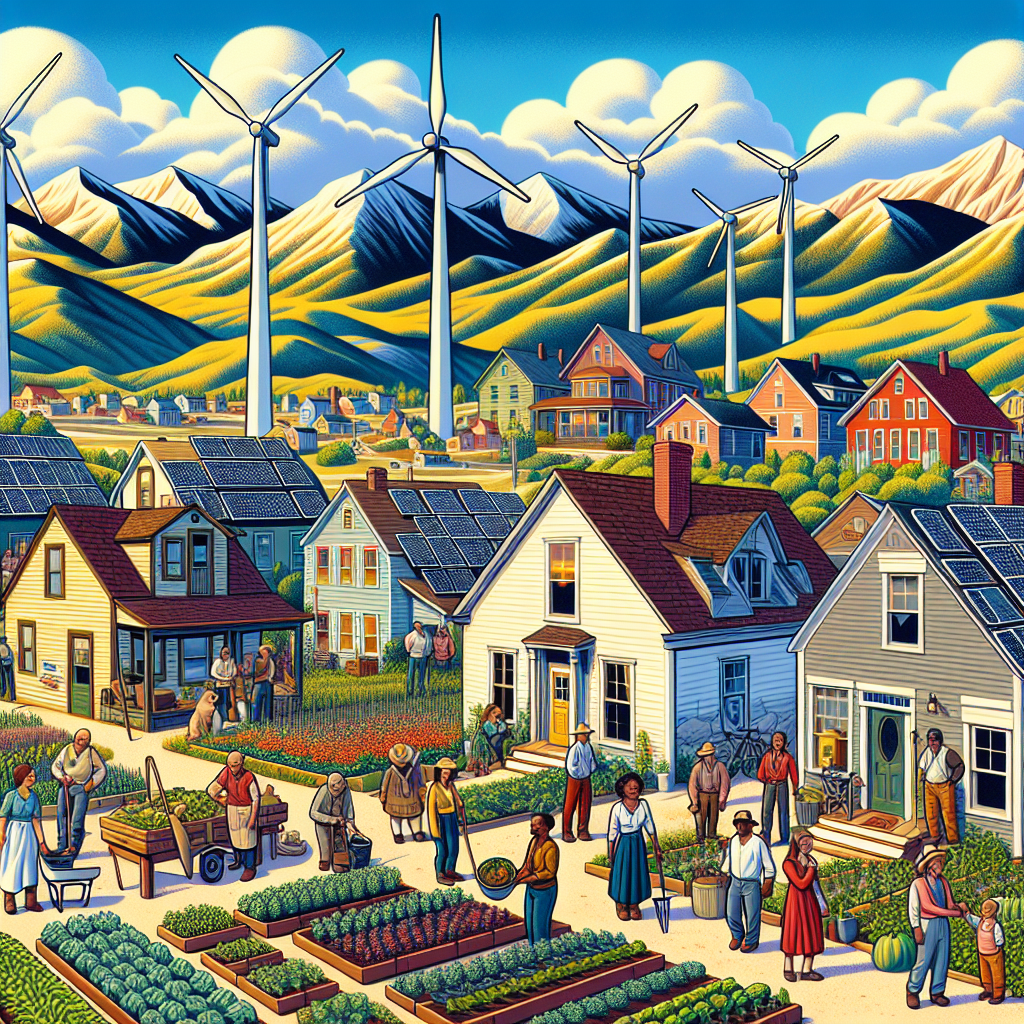
In our interconnected world, events unfolding thousands of miles away can have profound effects on rural communities like Steamboat Lake, Colorado. Understanding these global-local connections is essential for building resilience and ensuring sustainable development.
Climate Change and Environmental Shifts
Climate change is a pressing global issue with direct repercussions for rural areas. Rising temperatures and altered precipitation patterns can disrupt agriculture, forestry, and tourism—key economic pillars for communities like ours. For instance, decreased snowpack affects winter sports, while increased wildfire risks threaten both property and natural resources. The National Climate Assessment highlights that rural communities are particularly vulnerable due to their reliance on natural resources and limited adaptive capacity. [Source: National Climate Assessment]
Global Health Crises
Health emergencies, such as pandemics, underscore the vulnerability of rural healthcare systems. Limited medical facilities and personnel can be quickly overwhelmed, leading to challenges in managing outbreaks. Additionally, global health crises can disrupt supply chains, affecting the availability of essential goods and services. A recent analysis emphasizes that marginalized communities often bear the brunt of such crises, highlighting the need for targeted support and resources. [Source: The World Now]
Economic Interdependencies
Global economic fluctuations, including trade disputes and market volatility, can impact rural economies. For example, changes in international demand for agricultural products influence local farming incomes. The International Fund for Agricultural Development (IFAD) notes that global shocks can lead to local crises, emphasizing the importance of adaptive practices to sustain rural livelihoods. [Source: IFAD]
Building Resilience
To mitigate these global influences, rural communities must invest in adaptive strategies. Diversifying local economies, enhancing healthcare infrastructure, and adopting sustainable agricultural practices are vital steps. Engaging in regional and international networks can also provide access to resources and knowledge, strengthening our community’s ability to navigate global challenges.
By recognizing the interconnectedness of global events and local realities, communities like Steamboat Lake can proactively address challenges and seize opportunities in an ever-changing world.