
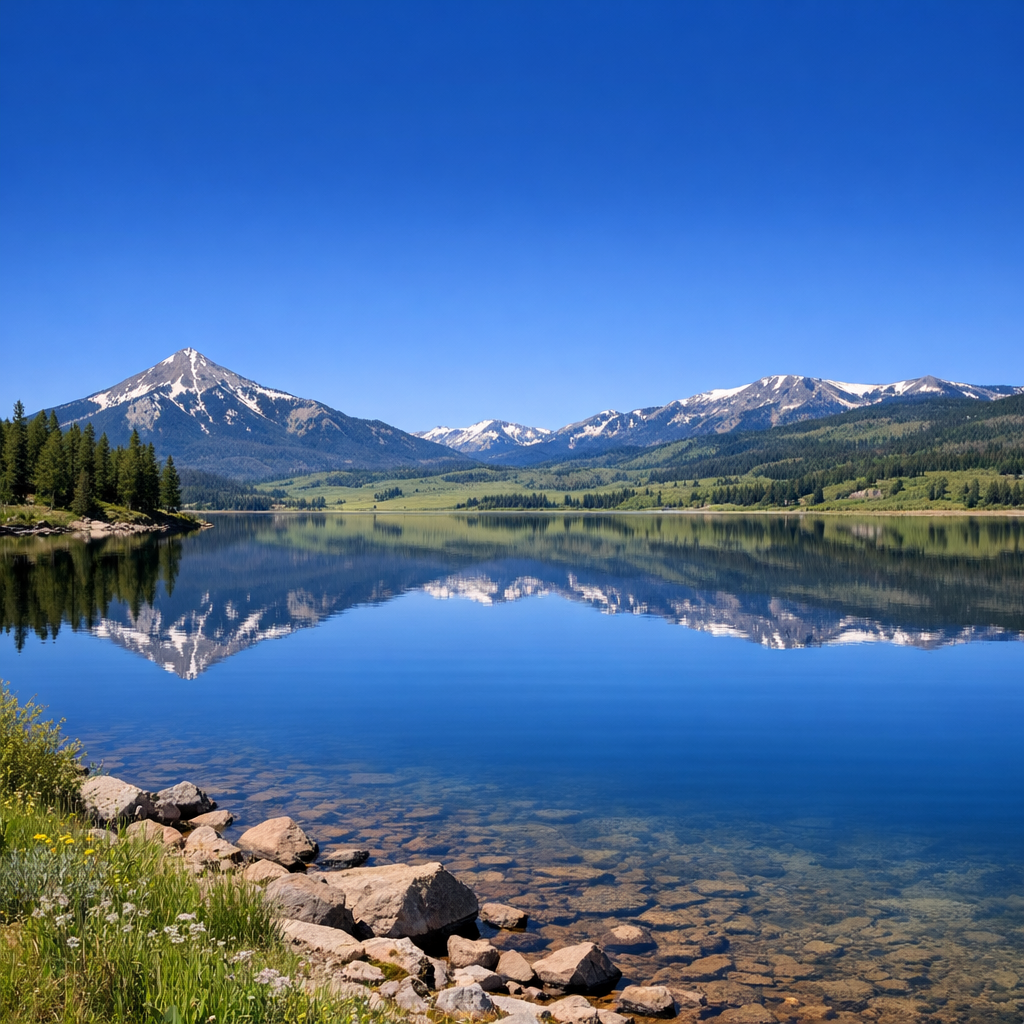
Steamboat Lake, nestled in the heart of Colorado’s Rocky Mountains, offers a diverse climate that shapes its natural beauty and recreational opportunities. Understanding the lake’s weather patterns and environmental challenges is essential for both residents and visitors.
Climate Overview
Situated at an elevation of approximately 8,100 feet, Steamboat Lake experiences significant temperature fluctuations. Summers are warm and dry, with average high temperatures reaching around 81°F in July. Winters are cold and snowy, with average lows dipping to 8°F in January. This variability contributes to the region’s appeal for a range of outdoor activities throughout the year.
Seasonal Weather Patterns
During the summer months, the area enjoys mostly clear skies and warm temperatures, making it ideal for boating, fishing, and hiking. However, it’s important to note that weather conditions can change rapidly, so dressing in layers is advisable. In winter, the region is renowned for its snowfall, providing excellent conditions for skiing and snowboarding.
Environmental Concerns
In recent years, Steamboat Lake has faced environmental challenges, notably the occurrence of harmful algal blooms. These blooms, caused by cyanobacteria, can produce toxins harmful to humans and animals. Factors contributing to these blooms include warmer temperatures and nutrient loading from surrounding areas. In 2020, Steamboat Lake was temporarily closed to swimming due to elevated toxin levels from such a bloom.
Efforts are ongoing to monitor and mitigate these environmental issues. Local agencies are working to understand the causes and implement strategies to protect the lake’s health, ensuring it remains a cherished resource for future generations.
By staying informed about Steamboat Lake’s climate and environmental conditions, we can all contribute to preserving its natural beauty and recreational value.