
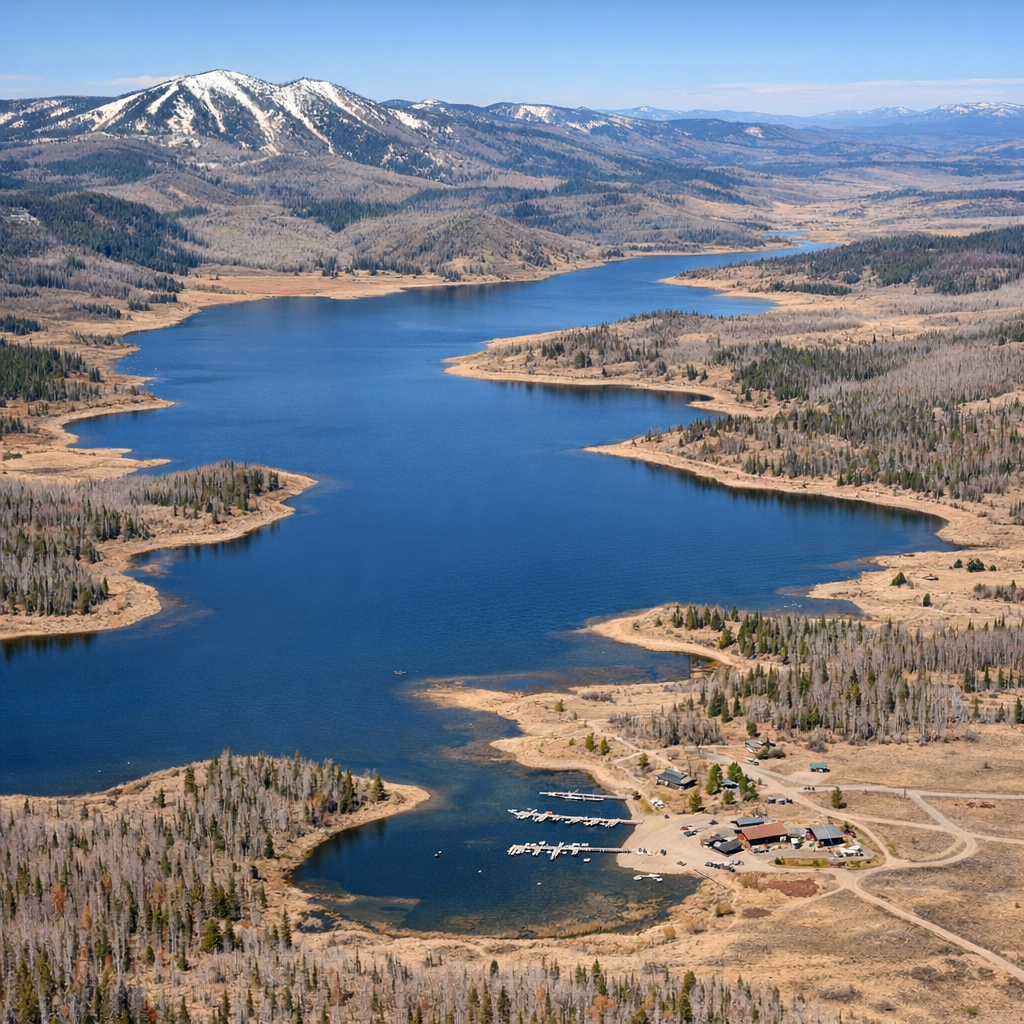
As global climate change continues to unfold, its effects are becoming increasingly evident in Colorado, including the Steamboat Lake area. Understanding these impacts is crucial for our community’s preparedness and resilience.
Rising Temperatures
Colorado has experienced a significant warming trend over the past few decades. Statewide annual average temperatures have increased by approximately 2.3°F from 1980 to 2022. This warming affects all seasons, with the most pronounced increase occurring in the fall. Such temperature rises can lead to more frequent heatwaves and altered seasonal patterns, impacting both natural ecosystems and human activities.
Snowpack and Water Resources
The state’s water supply heavily depends on mountain snowpack, which melts to feed rivers and reservoirs. However, warming temperatures have resulted in earlier and reduced peak snowpack, diminishing runoff and water availability. The Environmental Protection Agency reported a 23% decline in snowpack at the start of spring in the Western United States from 1955 to 2022. For communities like Steamboat Lake, this trend poses challenges for water supply, agriculture, and recreation.
Wildfires
Warmer temperatures and prolonged drought conditions have increased the frequency and intensity of wildfires in Colorado. The state’s five most destructive wildfires have all occurred since 2012. These fires not only threaten lives and property but also degrade air quality and disrupt local economies. The Steamboat Lake area, surrounded by forests, faces heightened wildfire risks, necessitating proactive fire management and community preparedness.
Local Ecosystems and Wildlife
Climate change is exerting pressure on Colorado’s diverse ecosystems. Rising temperatures and altered precipitation patterns affect plant and animal species, leading to habitat shifts and increased vulnerability. In the Steamboat Lake region, changes in water temperature and flow can impact fish populations, while terrestrial wildlife may experience habitat fragmentation and food scarcity.
Community Resilience and Adaptation
Addressing the impacts of climate change requires concerted efforts at both state and local levels. Colorado has developed the Colorado Resiliency Framework, outlining strategies for adapting to changing environmental conditions. For the Steamboat Lake community, this means implementing water conservation measures, enhancing wildfire preparedness, and protecting local ecosystems. Community engagement and education are vital in building resilience against the ongoing challenges posed by climate change.
By understanding and addressing these impacts, we can work towards a sustainable and resilient future for Steamboat Lake and the broader Colorado region.