

By Emma Williams
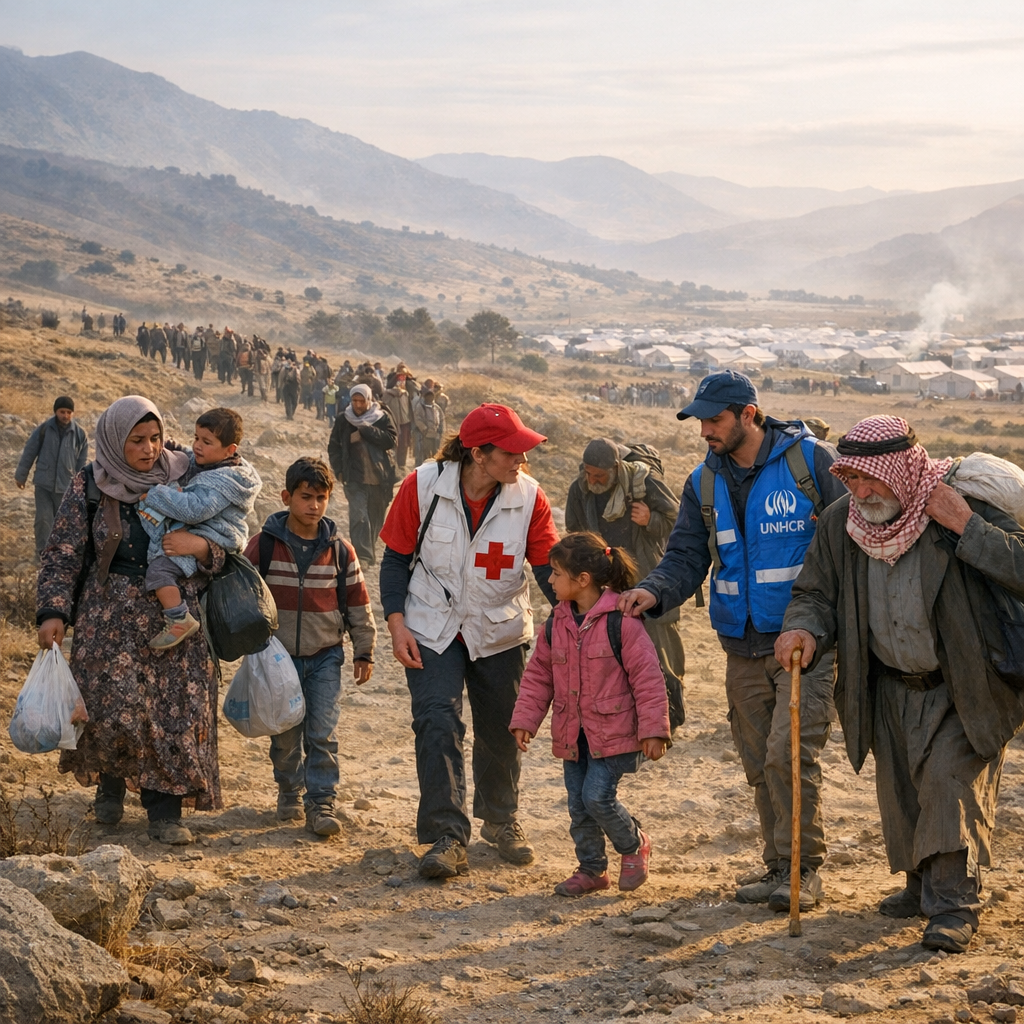
As the world continues to wrestle with conflict, natural disasters and economic collapse, forced migration has surged into a global crisis affecting hundreds of millions. Here’s a look at what the numbers tell us, where people are fleeing, and the challenges and opportunities in responding humanely.
How big is displacement?
At the close of 2025, over 118 million people worldwide were forcibly displaced due to conflict or persecution. This marks a rare dip—while still staggeringly large—in a trend that had been rising for over a decade. The largest driver of displacement in 2025 was the conflict in Sudan, which contributed millions of new internally displaced people and refugees.
Where are people fleeing, and where are they going?
The three nations that saw the biggest numbers of people returning home—though often into shattered lives—were Syria, Sudan, and Afghanistan.
Meanwhile more than 40 million people were uprooted beyond their own countries’ borders. Another nearly 70 million were internally displaced, often trapped because their homes are unsafe but unable to cross international borders. Rooms and tents become home; the border is both refuge and trap.
Why displacement persists
Armed conflict remains the most direct cause of displacement, but its effects are magnified by climate change: droughts, floods, and natural disasters are hitting fragile areas hardest. Poverty and political instability make it harder for displaced people to build a future. Legal status, basic services, health care and schooling are often inaccessible.
What’s being done — and what’s falling short
Humanitarian agencies—particularly the United Nations High Commissioner for Refugees and its partners—provide aid, but billions of dollars in funding gaps persist. Efforts to bring displaced people home safely are underway, but returns are often premature or under-resourced.
In many host countries—often neighbors of conflict zones—resources are stretched thin. Refugees frequently lack access to formal jobs, legal documentation, and health care, which compounds suffering and slows recovery.
What needs to change
- 📘 Stronger legal protections globally and clearer asylum paths so people have safety in both host and transit countries.
- 🏗️ Investments in communities hosting refugees, such that infrastructure—schools, clinics, housing—can absorb newcomers without collapsing.
- 🤝 Emphasis on returning home when and only if it’s safe and supported, not rushed or underprepared.
- 🌱 Addressing climate-linked disasters through mitigation and preparedness to reduce displacement from environmental causes.
- 💰 Sustained international funding with accountability for both short-term relief and long-term rebuilding.
Forced displacement isn’t someone else’s problem—it touches all of us. Shrugging away from it only lets vulnerabilities fester. As citizens of a world defined by porous borders, global climate change, and shared fate, we need policies grounded in compassion as well as strategy. That’s how peace, dignity, and opportunity become more than distant hopes.